top of page

CHÂTEAU DE LUCQ · ABBAYE SAINT-VINCENT · LUCQ-DE-BÉARN

A Thousand Years of History.
Nine Generations of Stewardship.

Founded in the tenth century as Abbaye Saint-Vincent, this Benedictine abbey became known as Château de Lucq after the ELIE family acquired it in 1791.

100_2842.jpg

TEN CENTURIES
IN STONE

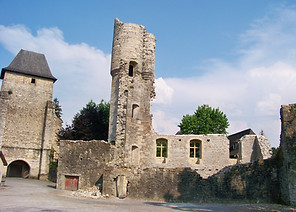
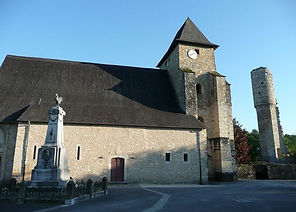
Long before Benedictine monks arrived around 970, Lucq was a sacred grove. The abbey has since known pilgrims and kings, destruction in 1569, and renewal under the Barnabites. Its surviving buildings carry every one of those centuries.

eglise-saint-vincent2.jpeg

FROM ABBEY TO
FAMILY ESTATE

For more than two centuries, our family has cared for Château de Lucq, preserving its character as both a family home and a landmark of Béarn.

tour full scaffold.JPG

PRESERVING ABBAYE SAINT-VINCENT

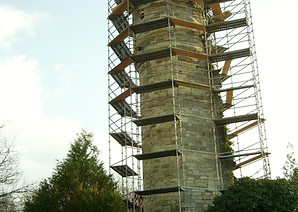
Building on earlier stabilization work, we are undertaking a new phase of conservation of the façades and roofs, with the French heritage authorities, to protect the abbey's historic buildings for future generations. The abbey is closed to visitors during the works.

FOLLOW THE RESTORATION


Join our mailing list for occasional news of the works and the abbey.

IMG_6203.JPG

A HERITAGE WORTH SHARING

See the abbey's architecture and landscape in our gallery, or write to us about Château de Lucq, filming, or the restoration.

Abbaye Saint-Vincent

A Benedictine abbey founded around 970, known locally as the Château de Lucq.

ADDRESS

70 Place de l'Église

64360 Lucq-de-Béarn

Pyrénées-Atlantiques, France

​

​

chateaudelucq@gmail.com

​

CONTACT US
  • Facebook
  • Instagram
Scallop of the Way of St James, 970–1569; arms of Henri IV as King of Navarre, 1484–1620; French tricolour, 1791–today

© 2026 Abbaye Saint-Vincent · Lucq-de-Béarn, France

Terms & conditions

Privacy policy

Accessibility statement

Emblems: escallop after Graham Johnston (1909, public domain); arms of Henri IV as King of Navarre by Heralder, CC BY-SA 3.0, via Wikimedia Commons.

bottom of page